
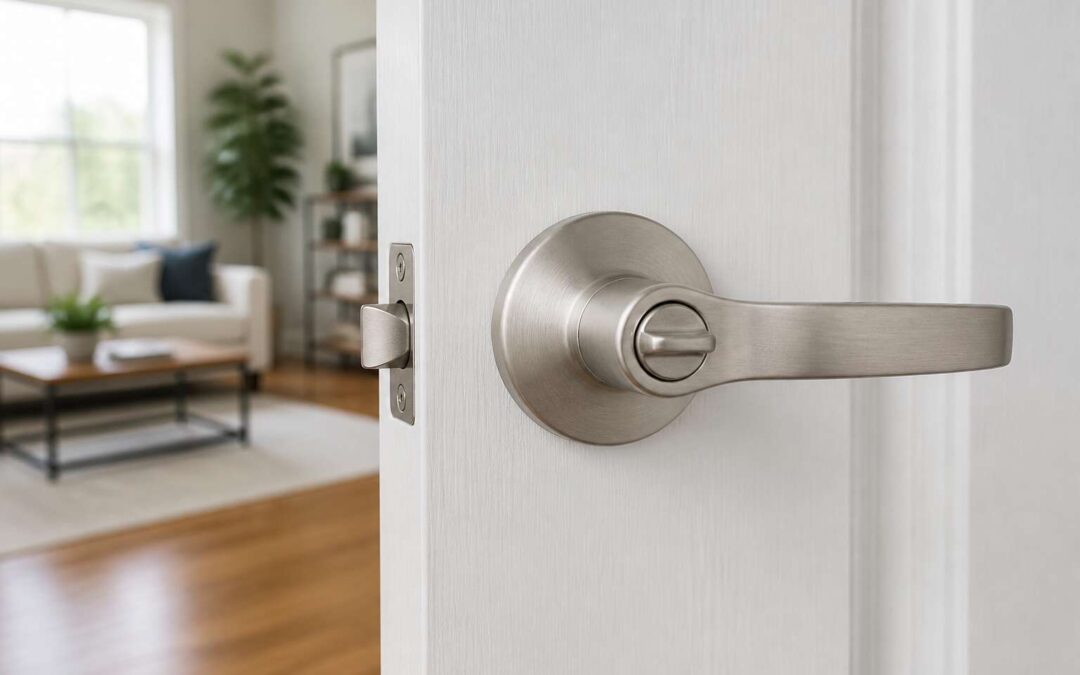
Different Types of Internal Door Locks
Privacy Locks for Bedrooms and Bathrooms
Privacy locks are the quiet protagonists of the home, the silent guardians of personal space. In South Africa, where the rhythm of daily life often flows through shared corridors, these mechanisms offer a simple promise of solitude. They are designed for convenience, not security, acting as a gentle signal that says “do not disturb” without the need for keys or complicated codes.
The mechanism is straightforward, typically featuring a thumb turn on the inside and a small slot on the exterior. This slot allows a flathead screwdriver or an emergency coin to unlock the door from the outside, a practical feature for parents or caregivers. Consider the common variations you will encounter:
– A simple push-button lock that clicks into place.
– A turn-and-lock mechanism with a rotating handle.
– A lift-up handle that engages the lock automatically.
The beauty of these locks lies in their subtlety. They do not demand attention, yet they provide a vital layer of comfort for the bedroom and the bathroom. They are not a fortress, but a soft boundary. When you are choosing door locks for internal doors, remember that the privacy lock is less about keeping people out and more about giving everyone their own quiet space within the home.
Passage Locks for Hallways and Closets
Passage locks serve a different purpose entirely. They are the unassuming connectors of a home, designed for hallways and closets where the door needs to close but never lock. You will find these mechanisms in storage areas, linen cupboards, and the corridors that link rooms together.
The operation is simple. A latch retracts when you turn the handle, and the door swings freely. There is no keyhole, no thumb turn, and no way to secure the space. That is the point. Here are the common types you might encounter:
- A tubular latch with a spring-loaded bolt.
- A ball catch that uses friction to hold the door.
- A roller latch with a wheel that slides into a strike plate.
When you are choosing door locks for internal doors, passage locks offer the least resistance. They prioritise flow over privacy. In a busy South African household, that makes them essential for areas where movement matters more than solitude.
Dummy Locks for Decorative Double Doors
When the double doors of a Cape Dutch home stand closed, they present a peculiar dilemma. One leaf holds the latch. The other leaf, stripped of purpose, must still appear functional. Dummy locks exist to preserve that symmetry. They are door locks for internal doors that secure nothing, yet they serve a purely visual role.
Inside, the mechanism is absent. There is no latch, no bolt, no throw. The handles connect through a spindle that turns without resistance. On the inactive leaf, this illusion is deliberate. The eye sees a matching pair, while the jamb carries a strike plate that never receives a tongue.
Common configurations include:
- Two roses joined by a short spindle that rotates freely
- A single fixed pull handle mounted to the face
Keyed and Electronic Locks for Home Offices and Storage
Home offices hold contracts, financial records, and client data. Storage rooms contain stock, tools, or archived files. Neither should be open to everyone. A passage latch won’t stop curious fingers. You need door locks for internal doors that provide real security.
Keyed locks are the simplest answer. Turn the key, the bolt throws. Remove it, the door is solid. No batteries, no Wi-Fi, no pairing. They work for decades. The only burden is managing spare keys. Lose one, and you rekey the cylinder. The system is dependable and affordable.
Electronic locks give you more. Keypads accept PINs. Smart locks connect to your phone or scan fingerprints. Entry logs show every visit. You can issue temporary codes to a contractor, then revoke them when the job ends. I’ve installed both in Johannesburg homes, and the difference is clear! Keyed locks handle storerooms well. Electronic door locks for internal doors suit home offices where accountability matters.
Key Factors to Consider Before Buying Internal Door Locks
Matching Lock Functionality to Room Purpose
Choosing door locks for internal doors starts with an honest reading of room function, not aesthetics. A scullery door that stays open ignores decorative trim, while a study requires genuine security. Consider who uses the space, how often they close the door, and whether locking is a daily ritual or a rare precaution.
Your climate and building style shape the choice too. Coastal homes in Durban face salt air, while Gauteng homes contend with dust and dry winters. I have seen too many attractive locks fail within a year simply because the environment defeated their materials. Work through these points:
1. Door weight and how frequently the latch engages
2. Whether the lock allows quick emergency opening from outside
3. How much the door frame expands or shifts with humidity
4. The practicality of keyed access for shared family spaces
These details determine whether you buy a decorative placeholder or the right door locks for internal doors.
Ensuring Compatibility with Door Thickness and Material
Few buyers measure their door slab before purchasing hardware, yet a 40mm solid pine door and a 6mm hollow-core partition demand completely different latch mechanisms. Short screws on a skinny frame will strip within months, while a heavy oak door can twist a flimsy rose bush out of shape. This compatibility issue determines whether your chosen door locks for internal doors survive their first coastal winter.
- Backset distance, the depth from door edge to bore hole centre, must match your existing drilling.
- Latch face width and strike plate curvature need to align with the rebate profile.
Material density also governs screw holding power. Masonite and lightweight composites crush under pressure, requiring reinforced strike plates or longer threads. Durban’s humid air can swell untreated timber, jamming bolts that once turned freely. Verify the manufacturer’s specified thickness range before committing to any set of door locks for internal doors, and always test the latch action on site!
Navigating Fire Safety Regulations and Building Codes
A fire door’s latch decides whether a structure becomes a refuge or a trap. In South Africa, SANS 10400 sets the standard, yet homeowners often choose door locks for internal doors based on how a handle feels, ignoring whether the mechanism permits intumescent seals to work. The bolt must hold firm during a blaze, but also retract under pressure.
Here lies the existential tension. A lock that engages too strongly traps you inside. A lock that disengages too easily fails its duty. Certification depends on the pairing of the lockset with the door leaf, not the lock alone. I have watched inspections fail because a decorative rose cover obstructed the latch.
- Check the SANS 428 fire resistance rating
- Confirm the self-closing device matches the door weight
- Verify the strike plate allows full latch projection
Local municipalities audit these details during occupancy certification. When you select door locks for internal doors within a fire rated assembly, the manufacturer’s test data, not aesthetic preference, remains the only reliable truth.
Choosing the Right Finish for Your Interior Aesthetic
Coastal humidity corrodes interior hardware faster than any other variable in South Africa. The lever must feel substantial, but the finish decides if it still looks that way next season. Instead of the paint colour, I scrutinise the base metal and its plating layer when evaluating door locks for internal doors!
Consider the strike plate and the screws. A standard screw may not bite into a hollow-core frame. The material of the door dictates the torque, not the prettiness of the knob.
- Base metal: Brass and zinc alloys differ in lasting warmth
- Coating: Physical vapour deposition resists chipping better than spray paint
- Screw length: 18mm screws prevent drooping on solid doors
For the finish, matte black against white plaster is popular when selecting door locks for internal doors, yet that black is often a sprayed paint which chips. A PVD coating resists Johannesburg dust and the Cape’s salt spray, keeping the handle operative.
Assessing Security Needs for Internal Spaces
An internal door lock is not a perimeter security device. Before buying door locks for internal doors, assess what you are actually protecting. A home office with client files needs a different mechanism than a spare bedroom full of old camping gear.
The room’s contents, the people who might access it, and the cost of a breach all shape that choice, whether the breach is a snooping guest or a sticky fingered staff member.
- Contents: medication, documents, tools, snacks
- Access: children, staff, guests, yourself
- Breach outcome: a minor irritation or a genuine loss
Most internal spaces need restriction, not fortification. The privacy lock, passage set, or keyed cylinder only earns its place when it matches that assessment.
Balancing Budget, Durability, and Warranty
In South Africa, the rand often dictates the decision before logic does. A cheap lock saves now, but a warped latch or faded finish costs more in frustration later. When weighing door locks for internal doors, consider the frequency of use. A hallway lock opens fifty times a day; a spare bedroom lock opens twice a week. That difference changes what you should pay.
Durability matters beyond the mechanism. Solid brass resists the coastal humidity of Durban, while Zamak alloy suits the dry Highveld. Warranty terms vary, so read the fine print. Some manufacturers replace a faulty cylinder; others expect you to ship the whole unit at your own expense. The warranty should match the lock’s expected working life.
- Check the warranty period against the expected lifespan
- Confirm whether the warranty covers finish or only function
- Ask if local agents honour claims or if you must deal with an overseas supplier
Installation and Maintenance Best Practices
Tools and Hardware Needed for DIY Installation
Installing a latch that catches cleanly is the difference between a door that behaves and one that fights you. In my years working with door locks for internal doors, preparation determines everything.
You will need a chisel, a screwdriver, a drill with the correct bit, and a tape measure. The spindle must align perfectly with the latch hole. A misaligned strike plate causes friction and wear. Check the screws quarterly. Tighten them without force, as overtightening strips the wood. Lubricate the mechanism with graphite powder twice a year. That prevents stiffness without attracting dust. I often tell clients to test the handle after any adjustment, because a small turn can fix a large annoyance.
A Step-by-Step Guide to Fitting Internal Locks
Fitting a lock is a sequence of small decisions. Measure the backset first, then mark the door edge with a sharp pencil. I have installed hundreds of door locks for internal doors, and the ones that fail almost always share one trait: rushed alignment. The latch face must sit flush with the door edge. If it sits proud, the door will stick. If it sits recessed, the screws will pull loose over time.
Test the handle before fixing the strike plate. Most installation errors happen because people tighten everything first. Follow this order:
- Fit the latch and check the spindle turns freely.
- Mount the handle and test the locking mechanism.
- Mark and fit the strike plate only after the latch engages cleanly.
Maintenance follows the same logic. Wipe the latch bolt with a dry cloth every few months, and tighten the plate screws with a quarter turn. Door locks for internal doors need attention, not force.
Troubleshooting Misalignment and Sticking Latches
Most sticking latch complaints trace back to geometry, not broken parts. Door locks for internal doors fail less because of worn mechanics and more because the strike plate sits a millimetre off, or the hinge side drops. In South African homes, seasonal humidity makes timber swell and shrink, shifting alignment twice a year.
The correction follows a simple sequence. Loosen the strike plate, hold the door closed, and watch where the latch actually lands. Move the plate to match reality, not the pencil marks from an earlier attempt. This takes two minutes and resolves most sticking latches.
Signs of trouble appear before the latch seizes entirely:
- The handle turns with resistance.
- The latch scrapes against the plate.
- The door needs a firm shoulder to close.
These symptoms point to one condition: the latch face sits out of true with the lock case edge. Tightening screws will not fix that. Realignment will. Door locks for internal doors tolerate a surprising amount of wear, but they will not tolerate a misplaced strike plate.
Routine Care: Lubrication, Cleaning, and Adjustment
A lock that refuses to move is rarely the result of dramatic failure. The true culprit is quiet accumulation: dust, old lubricant turned to paste, and the humid breath of a South African summer. The mechanism stiffens. The bolt drags. The handle turns with a reluctant groan.
Routine care for door locks for internal doors follows a quiet ritual:
- Wipe the latch body and strike plate with a dry cloth to remove the grit that grinds against moving parts.
- Lubricate sparingly with graphite powder or a silicone spray.
- Adjust the strike plate only when the latch sits visibly out of line.
Avoid oil, which attracts dust and hardens into a sticky residue. Listen for the whisper of metal against metal. That sound is the first admission of friction. Address it early! Door locks for internal doors reward attention with silence; ignore them, and they will announce their displeasure in their own time.
Recognizing When to Hire a Professional Locksmith
I once watched a homeowner attack a door frame with a crowbar, certain the lock was the culprit. It was not. A screw had worked loose.
That is why locksmiths exist. Most door locks for internal doors are straightforward to install, but some conditions demand a professional:
- A fire-rated door that requires certified installation
- A frame twisted or rotten behind the strike plate
- Re-keying schedules where a single mistake compounds across every lock
A professional locksmith carries borehole jigs, edge routers, and extractors. They also repair whatever a DIY attempt leaves behind. The service call fee looks modest beside the cost of a damaged door. Most homeowners discover this after the crowbar comes out, not before.
Safety, Security, and Accessibility Considerations
Child Safety Features and Tamper-Resistant Designs
Child safety often depends on the latch’s resistance to curious fingers. A lock with a smooth, recessed thumb turn prevents small hands from gaining leverage, while a spring-loaded mechanism stays secure against repeated tugging. Tamper-resistant designs go further, embedding the cylinder within a reinforced housing that defies shims and screwdrivers. These features matter across all door locks for internal doors, yet many homeowners overlook them until a toddler locks themselves inside.
Consider a simple test: can a child rotate the turn button with a coin or a toy? If yes, the lock fails the first rule of nursery security. Some manufacturers now provide internal release buttons that require pinching rather than twisting, which actually aids elderly users with arthritis too.
Ensuring Emergency Exit is Never Compromised
South Africa’s relationship with security is intense, and that intensity often stops at the bedroom door. But in an emergency, a lock that cannot be opened from the inside becomes a hazard. The test is simple: if you cannot exit in three seconds with one hand, the mechanism is wrong. Door locks for internal doors need release systems that work even under panic and pressure.
Accessibility makes the difference. A lever handle beats a knob for arthritic hands. A rocker thumb turn beats a traditional twist. Modern emergency release mechanisms respond to downward pressure, meaning a person collapsing against the door could still get out. These designs protect children, elderly residents, and everyone else in between, and they remain the safest choice for any home.
When you select door locks for internal doors, ask whether the lock opens from the inside without keys, tools, or coordination. If it does not, the security it provides is an illusion. I always ask clients to test this first!
ADA-Compliant Levers and Accessible Lock Options
South Africans will debate load shedding and braai etiquette with equal passion, yet few consider how a door handle treats an arthritic hand. The lever is the quiet aristocrat of hardware. It requires no grip strength, no twisted wrist, no negotiation with a stubborn knob. For anyone with limited mobility, the choice between a lever and a knob is the difference between independence and daily frustration.
ADA-compliant levers and accessible lock options extend this courtesy to internal doors throughout the home. A rocker thumb turn replaces the fiddly twist. A handle that responds to downward pressure means a person leaning on it can still pass through. These details matter more than the finish.
When evaluating door locks for internal doors, consider:
- Lever handles that meet ADA height and reach ranges
- Thumb turns that operate with a closed fist
- Locks requiring less than five pounds of force
Good door locks for internal doors offer security without turning into obstacles. A lock should never punish the person it was meant to protect.
Master Key Systems and Secure Key Management
Few homeowners realise that the same door locks for internal doors can support a master key system without compromising safety. A master key hierarchy allows one key to open multiple rooms while individual keys retain access to specific spaces. This arrangement simplifies secure key management, especially in homes with home offices or storage areas.
Accessibility considerations matter here too. Key turners with larger profiles or lever-style cylinders reduce strain for arthritic hands. When planning a master key system, remember that security and accessibility are not opposing priorities. A well-designed system ensures an authorised person always has access without making every lock harder to operate.
- Keep a record of which keys open which doors.
- Store spare keys in a locked cabinet or digital vault.
By integrating these considerations, internal doors become both secure and easy to navigate for every household member.
Upgrading to Smart Locks for Internal Doors
Benefits of Keypad and Smartphone-Controlled Locks
Smart locks are no longer exclusive to front entrances. When you evaluate door locks for internal doors, the benefits of keypad and smartphone controlled models extend beyond mere convenience. They offer tangible control over who enters a home office, a storage room, or a teenager’s bedroom.
Keypad locks eliminate the mystery of misplaced keys, while smartphone access allows instant monitoring. Consider these advantages!
- Temporary codes for short term guests
- Activity logs for family schedules
- Remote locking from anywhere
This shift in internal locking culture suits South African homes where flexible living arrangements are common. I find it refreshing to see technology finally serve the humble interior.
Integration with Home Automation and Security Platforms
When door locks for internal doors join a smart home ecosystem, they become more than access points. A connected lock can trigger lighting scenes, disarm sensors, or align with security cameras in a single motion. This integration matters in South African homes where complex routines often span multiple rooms. Consider how a lock communicates with other platforms:
– Arm the alarm system when the door closes
– Adjust thermostat settings for a specific room
– Send notifications to a chosen family member
Each action happens silently, without extra steps. The technology does not replace daily habits; it flows alongside them, making home management feel less fragmented. A simple entry into a study or pantry becomes part of a larger, responsive system. That coherence appeals to households seeking control beyond the front door.
Battery Life, Connectivity, and Installation Considerations
When upgrading door locks for internal doors to smart variants, battery life deserves the first question. I’ve watched a dead lock seal a study for an entire afternoon during load shedding. Choose units with explicit percentage reporting, not a vague bar. Some last months; others perish in weeks, and connectivity determines which.
- Wi-Fi locks grant remote access but drain batteries faster.
- Zigbee or Z-Wave locks sip power yet demand a hub.
- Bluetooth locks work locally without extra hardware.
Installation follows the same dimensions as most door locks for internal doors. Measure the backset, crossbore, and door thickness before ordering. South African doors frequently stray from standard sizes, so verify everything twice. A smart lock that does not fit is useless.