
Choosing Reliable Door Locks for Home Security
Types of door locks and their security levels
First impressions matter, but doors matter more. In South Africa, a solid lock is the 24/7 security guard you never tip. A glaring vulnerability is often a weak lock, not a crime story. When you care about home security with door locks, you demand reliability, durability, and ease of use. The right choice buys time, deters intruders, and preserves the sanctity of your evening.
Types of door locks vary in how hard they are to defeat and how user-friendly they remain.
- Deadbolts: Most reliable for exterior doors; single- or double-cylinder options
- Mortise locks: Heavy-duty, often used on front doors; higher security
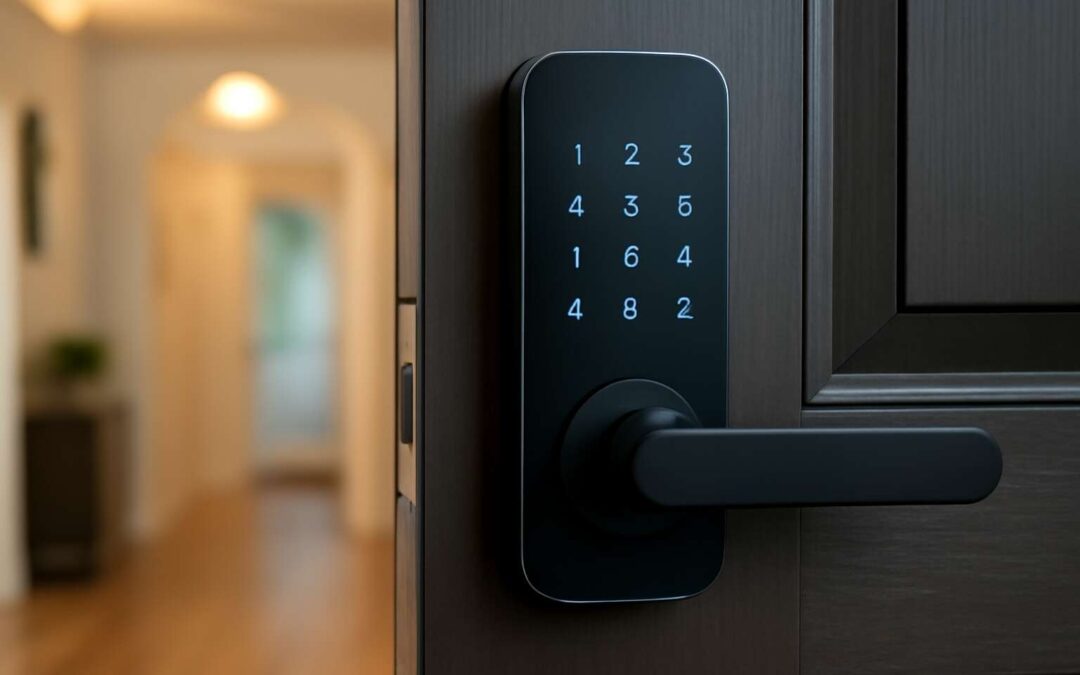
- Smart locks: Keyless convenience with app control; sometimes supported by alarms
- Lever-handle locks: Convenient, but less resistant to being picked if not paired with a deadbolt
Find a match that fits your door and your daily rhythm; this is central to home security with door locks.
Understanding ANSI/BHMA grades for exterior doors
Security is a state of mind and a grade of hardware. In South Africa, the right exterior hardware doesn’t just deter; it buys time. Understanding ANSI/BHMA grades helps you pick locks that survive repeated attempts and the wear of daily life. This is central to home security with door locks, where reliability meets usability.
ANSI/BHMA grades set the standard for exterior doors, validating durability and performance under real-world use. Grade 1 is the heavy‑duty tier, designed for high traffic and exposed conditions. Grade 2 covers most residential needs with robust everyday protection. Grade 3 offers an entry‑level option for interior spaces or light use.
- Grade 1: heavy-duty, high cycle life, strong resistance to brute force.
- Grade 2: balanced security and durability for typical SA homes.
- Grade 3: budget-friendly, suitable for interiors or low-demand doors.
When you select hardware, you’re choosing how your door speaks to your nightly routine and your sense of safety. The right grade, paired with a solid door and frame, helps maintain the sanctity of the home you return to each evening.
Considerations for exterior vs interior doors
The door is where trust and fear cross paths; one reliable lock can buy minutes when danger looms. In South Africa, exterior doors bear weather, wind, and the gaze of the street, while interior doors endure daily traffic and the quiet thrumming of life inside. The choice of hardware is less about bravado and more about fit—between what protects and what feels natural in your hand.
- Exterior doors demand weather-resilient materials and strong strike plates for lasting protection.
- Interior doors benefit from smooth operation and dependable latches that endure constant use.
- Mounting quality and alignment matter for both, ensuring the door speaks softly but firmly when needed.
Ultimately, the right balance of exterior vs interior hardware shapes your daily rhythm and your sense of safety, a subtle but profound dialogue with home security with door locks.
Installation tips and common locking mistakes
Time is the security’s silent ally; a sturdy lock buys minutes when danger looms. In South Africa, the front door faces wind, glare, and the rhythm of street life, and that moment matters more than you’d think.
Choosing reliable door locks means more than aesthetics. Look for reinforced strike plates, quality cylinders, and precise alignment. For home security with door locks, invest in hardware that resists tampering and endures daily wear. In my experience, the deadbolt should sit at a natural height, and the frame must be solid so security feels instinctive in your hand.
- Overlooking strike plate reinforcement or misalignment
- Choosing style over security or weak cylinders
- Skimping on maintenance or lubrication
- Installing on a warped door or frame
These missteps erode protection and invite trouble; address them now to preserve both safety and daily rhythm.
Smart Home Integration with Door Locks
Lock types: Bluetooth, Wi-Fi, Z-Wave, Zigbee and compatibility
Smart home integration has turned door locks into attentive guardians. In South Africa, households weave Bluetooth, Wi‑Fi, Z‑Wave, and Zigbee into entryways, so doors respond to proximity or voice while staying quietly vigilant!
Lock types include:
- Bluetooth: near-field unlock, quick access, limited range.
- Wi‑Fi: remote control via your network, with cloud or local options.
- Z‑Wave: low-power mesh suited to larger homes and multi‑device setups.
- Zigbee: robust, interoperable mesh with broad ecosystem support.
Compatibility matters: many ecosystems bridge to Apple HomeKit, Google Home, or Amazon Alexa, letting doors harmonize with lights and cameras. This interoperability is a cornerstone of home security with door locks, backed by encryption and timely firmware updates.
Pros and cons of smart locks for security
“Smart locks are the quiet watchdog that never sleeps,” says a South African security consultant. In a market where entry doors respond to proximity and voice, smart lock technology reshapes home security with door locks—delivering hands-free access and real-time alerts when you need them most.
- Convenience and remote unlocking with real-time alerts
- Tight integration with cameras, alarms, and lights
- Dependence on power and internet can disrupt access
- Upfront cost with ongoing firmware updates
Encryption, device authentication, and updates matter more than style here. In SA, where power outages and patch cycles test uptime, smart locks complement traditional hardware—adding layers of visibility without replacing the core lock.
Setting up secure remote access and user permissions
“When the home speaks through a connected lock, access becomes a carefully tuned instrument,” a South African security consultant notes. Smart home integration turns door locks into conductors of safety, syncing with cameras, alarms, and lights to orchestrate who sees what and when. This is a cornerstone of home security with door locks.
Setting secure remote access and user permissions demands governance as much as gnosis. Decisions about who can unlock, from where, and at what times give property defense a human heartbeat in a digital age.
- Centralized permission management
- Audit trails and real-time alerts
- Strong encryption and device authentication
In South Africa, where power fluctuations and patch cycles test uptime, resilient design ensures the lock ecosystem remains a silent sentinel—eyes on the perimeter while you sleep. A holistic approach to home security with door locks thrives on policy, power resilience, and perpetual updates.
Battery life, updates, and maintenance for smart locks
Smart homes hum with quiet confidence, yet the battery is the heartbeat of security. In South Africa, where storms blink the lights and alarms must outlast the night, a recent study found that 62% of homeowners feel more secure with smart door locks. This seamless integration turns a keypad into a sentry, a whisper into watchfulness, and transforms home security with door locks into living protection.
Battery life, updates, and maintenance are not afterthoughts but rituals that keep the system singing. When a lock glows with a healthy charge and firmware breathes with the latest safeguards, resilience travels from the cloud to the doorstep, letting the home breathe easy even as the city sleeps.
Across a patchwork of power grids and patch cycles, enduring design—the quiet vigil at the gate—remains the true guardian of the perimeter.
Door Lock Security Best Practices
Reinforcing door frames and strike plates for added strength
Security isn’t a product—it’s a process,
the locksmith says, and the truth lands hard. A fragile door frame can become the quiet entry point thieves exploit when the lock is merely ornamental, especially after dark—almost like the night itself watching, waiting.
To fortify, reinforce the door frame and strike plate with solid steel anchored by long screws into studs. This simple upgrade aligns with home security with door locks by turning a marginal defense into a stronghold.
Here are practical steps to reinforce without overhauling your entry:
- Use 3-inch wood screws for strike plates
- Reinforce jambs with steel plates
- If doors swing outward, install heavy-duty hinge screws
Small changes, big impact on your security.
Use of jamb reinforcers and strike plates
South Africa’s urban security climate is unforgiving; the night has teeth and an eye that never blinks. Security isn’t a product—it is a process, and the frame is the first line of defense. This is where home security with door locks begins: at the jamb, where strength must resist the slow quiet of a pry. Jamb reinforcers and sturdy strike plates become the unsung guardians of your entry.
- Jamb reinforcers offer structural resilience, widening the frame’s defenses.
- Strike plates become steadfast guardians when paired with robust anchors and well-chosen fasteners.
- Alignment and the door’s swing behavior are guardians of lock integrity, ensuring the mechanism stays true under pressure.
Small adjustments, a quiet patience, and a disciplined approach to door security transform an ordinary doorway into a vigilant sentinel.
Key management: avoid hiding spare keys and use keyless options
A door is a promise and a risk; misplacing a spare key invites the quiet pry of opportunity. In the psyche of home security with door locks, key management becomes the quiet governor of trust. Hiding spare keys—under a mat, in a pot, or within a shadowed shelf—has long been a ritual, but it invites a predictable breach!
- Spare keys stored in conventional hiding spots invite predictable breaches.
- Keyless options shift reliance from physical copies to authenticated access.
- Regularly review access privileges and audit who holds authority to enter.
Opting for keyless options shifts the calculus from concealment to authentication—yet it demands digital hygiene, resilient encryption, and clear governance. The balance between convenience and vigilance is clear in a world where opportunity and risk coexist.
Routine maintenance and periodic security audits
Security professionals note that up to 60% of home breaches hinge on overlooked entry points and weak locks. A door’s quiet rustle of a hinge or a misaligned strike reveals more than it keeps out. Routine maintenance and periodic security audits act as the quiet governors of trust in home security with door locks, translating vigilance into a sustainable ritual for South African households.
- System health checks for door hardware and strike plates
- Firmware hygiene and credential governance for smart components
- Audit trails and access reviews to determine who can enter
These practices honor the rhythm of daily life, where security grows through steady, thoughtful care rather than dramatic acts that capture headlines!
Weather and corrosion resistant hardware considerations
Weather is the quiet adversary of trust, especially for door hardware. In South Africa’s coastal towns, salt air accelerates wear, testing every latch and hinge. The right choices protect more than metal—they guard home security with door locks by standing firm where elements conspire against them. Quiet signs of corrosion are stern feedback from the environment, reminding us that durability is a daily craft, not a headline grab.
Consider materials and finishes designed to endure SA climates. The following options tend to outperform the rest in coastal or dusty conditions.
- Marine-grade stainless steel (316) for exterior handles and bolts
- Powder-coated or PVD-coated finishes to resist salt spray and scratches
- Solid brass or bronze components in strike plates where corrosion is stubborn
- Coatings over steel, such as epoxy or galvanised layers, to extend life
With these accoutrements, your home security with door locks contributes quietly to an enduring sense of safety.
Installation and Maintenance Guide
DIY installation steps for common door types
Hard numbers bite: roughly a third of home intrusions exploit a door left unsecured or misaligned. In this spirit, installation and upkeep become not chores but guardians of home security with door locks—an artful balance of fit, finish, and disciplined care for South African homes.
DIY-friendly, yet discerning, the guide respects that each door type wears its own geometry. Choose hardware that suits the frame, assess clearance and latch travel with a patient eye, and remember that periodic checks—clearance, corrosion, and hinge harmony—preserve quiet, confident operation.
Maintenance is a ritual; anticipate wear, schedule friendly inspections, and lean on professionals when a door’s heart resists refinement.
When to hire a professional locksmith or contractor
A third of break-ins hinge on an unsecured door—a sobering reminder that installation is security. This is home security with door locks, an artful balance of fit, finish, and disciplined care tailored to South African doors and the capricious climate that tests hinges and frames.
Maintenance rituals keep that guardian vigilant: regular lubrication of moving parts, crisp latch travel, and weatherproofing to resist corrosion. To complement your routine, consider this quick checklist:
- Check frame and hinge alignment for sag or looseness
- Inspect the strike plate and screws; tighten or replace as needed
- Test latch and deadbolt extension after seasonal changes
When to hire a professional locksmith or contractor: if alignment stubbornly resists, parts are bent or corroded, or a smart-lock retrofit demands expert calibration, summon the specialists. A trained pro can rehang, reinforce the frame, or tailor a secure system that harmonizes with your home’s rhythm.
Seasonal maintenance checklist for door hardware
A wind-swept night in South Africa whispers a truth: one in three break-ins hinge on an unsecured door. In the realm of home security with door locks, even a slender gap can tilt the balance from sanctuary to story of risk. The clue is clear: care and craftsmanship matter more than flashy hardware alone.
Seasonal maintenance is a quiet rite, a protective charm cast over the door’s guardians. Consider these foci—together they keep both timber and metal singing through heat, rain, and dust.
- Structural health: check door geometry and hinge performance as the year turns
- Hardware resilience: weatherproofing, seal integrity, and strike-plate wear
- Digital watchfulness: battery life, firmware updates, and secure remote access
When odd sounds or misalignment appear, a professional can rehang or reinforce the frame to harmonize with your home’s rhythm.
Troubleshooting common lock problems and diagnostics
A jangly latch on a windy South African doorway isn’t melodrama—it’s a diagnostic cue. For home security with door locks, a steady rhythm of checks beats panic on a heist night. Start with torque, alignment, and the battery life that powers the whole show; a stubborn deadbolt rarely lies about its age.
- Inspect door alignment and hinge screws for creaks or sag.
- Test the strike plate and latch for smooth engagement with a firm push.
- Verify that electronic sensors, batteries, and firmware are current if you have smart hardware.
Diagnostics often signal simple culprits: a misaligned door, loose screws, or a tired battery. Should the fault point to frame repair or a stubborn mechanism, professional assessment is warranted.
Upgrading hardware over time for increased security
Upgrading hardware ages like fine security—subtle, robust, and often overlooked. For home security with door locks, planned hardware refreshes beat panic buys on a dark, creaky night. Start by imagining your door has a future: ensure the frame can carry heavier hardware, consider a reinforced strike plate, and guard against South Africa’s coastal air and stubborn wind that test every bolt.
- Choose reinforced strike plates and anti-snap cylinders to resist leverage and prying attempts.
- When upgrading to smart hardware, prioritize strong encryption, tamper alerts, and a dependable battery backup for load shedding.
- Pair upgrades with a relaxed maintenance rhythm: quarterly checks, firmware updates, and inspection of hardware for corrosion in salty air.
Upgrades should feel like a measured evolution, not a remodel disaster. A little foresight now keeps the lock quiet, the screws tight, and your peace of mind intact.
Integrating Door Locks with a Full Security System
Lock integration with alarms, cameras, and monitoring services
More than half of break-ins begin at the door. Integrating door locks with a full security system turns a standalone hardware choice into a coordinated shield. Lock integration with alarms, cameras, and monitoring services creates a layered response that activates the moment a door is breached. In South Africa’s security-conscious market, this orchestration reduces false alarms and accelerates response times, transforming ordinary entry points into intelligent gatekeepers. This isn’t merely convenience; it’s a calculated upgrade to home security with door locks.
Consider these core components when syncing locks with your system:
- Alarms trigger immediate alerts and audible signals
- Cameras provide visual verification and event logs
- Monitoring services deliver 24/7 oversight and rapid dispatch
Choosing between professional monitoring vs self-monitoring
Door breaches loom large in South Africa; more than half of break-ins begin at the door, underscoring why a coordinated system matters. Integrating door locks with a full security setup turns hardware into a shield that acts as one. This is a pillar of home security with door locks.
Choosing between professional monitoring and self-monitoring hinges on risk tolerance, budget, and how you value rapid response. Professionals provide 24/7 oversight and dispatch; self-monitoring relies on real-time alerts to your devices. A hybrid approach can balance reliability with cost.
- Professional monitoring: 24/7 oversight, rapid dispatch, and clear event logs.
- Self-monitoring: instant alerts to your phone and lower ongoing costs.
- Hybrid setups: escalation protocols without excessive false alarms.
Whichever path you choose, the objective is a seamless, coordinated response that minimizes false alarms while preserving privacy and peace of mind.
Warranty, support, and insurance considerations
South Africa’s security landscape has a telling clockwork: almost 60% of home intrusions begin at the door, a reality that makes home security with door locks feel like a shield in the night. When you weave door hardware into a complete security system, a promise of protection becomes real—tangible and trackable.
Warranty, support, and insurance considerations matter as you integrate door locks into a full security system to ensure lasting peace of mind.
- Warranty scope and duration for mechanical and electronic components
- 24/7 support and rapid response commitments
- Insurance requirements and documentation to qualify for premium savings
Choose providers that offer unified monitoring, clear event logging, and easy access to spare parts; in South Africa, local warranties and service networks matter. This strengthens the overall home security with door locks and reassures insurers and homeowners alike.
Cost, ROI, and long-term savings of integrated door lock systems
Almost 60% of home intrusions begin at the door—an arresting statistic that turns every lock from mere hardware into a financial vow and night-time guardian.
Integrating door locks into a full security system changes the math: upfront hardware and installation, plus ongoing monitoring, create a predictable ROI!
Costs vary with brand, integration depth, and whether you pursue professional installation or a DIY path, but the long horizon of savings will surprise you; in South Africa, home security with door locks becomes a living system—part lock, part sensor, part shield.
Over time, benefits accumulate, and I have seen insurance savings, reduced losses, and increased property appeal as a cohesive network performs seamlessly.
- Sharper insurance premium eligibility and documented security events
- Lower lockout and replacement costs through durable, integrated hardware
- Expanded resale value from a modern, tracked security ecosystem